In many industries, critical machinery continues to operate for decades beyond its original production lifecycle. While these legacy systems often remain reliable and cost-effective, one major challenge arises when essential components become obsolete. Manufacturers may discontinue parts, original drawings may be lost, and replacement components may no longer be available in the market. In such situations, reverse engineering has become a powerful solution that helps businesses extend equipment life, reduce downtime, and avoid costly machinery replacements.
A leading manufacturing company recently faced this exact challenge when a critical component in one of its production machines failed unexpectedly. The equipment had been in operation for over 20 years and played a vital role in daily production. Unfortunately, the original manufacturer had stopped producing spare parts years ago, and no CAD files, technical drawings, or design documentation were available. Replacing the entire machine would have required a significant capital investment and months of installation time, making it an impractical option.
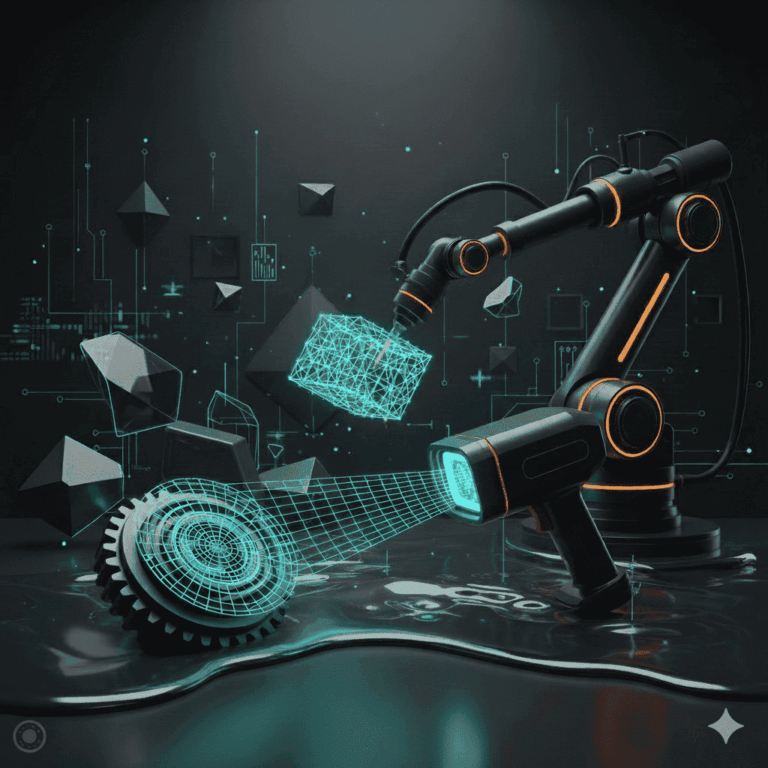
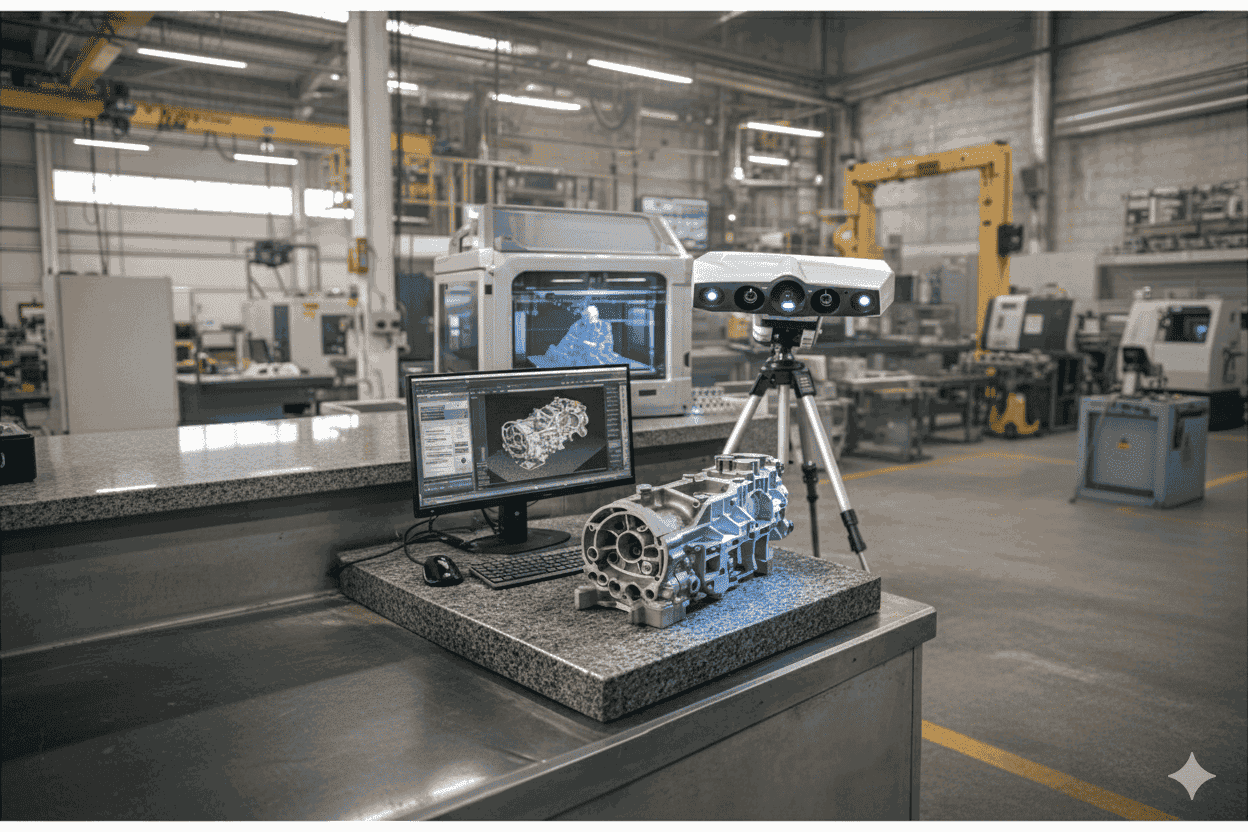
To overcome this problem, the company turned to reverse engineering technology. The damaged component was carefully removed and subjected to a high-precision 3D scanning process. Using advanced laser scanning equipment, millions of measurement points were captured within a short period, creating a highly accurate digital representation of the part. Even complex geometries, internal contours, and worn surfaces were documented with exceptional detail.
Once the scanning process was completed, engineers converted the collected data into a detailed CAD model. During this stage, the original design intent was reconstructed by analyzing wear patterns and restoring critical dimensions that had deteriorated over years of operation. The digital model was then reviewed and optimized to ensure compatibility with the existing machine assembly while maintaining the required performance standards.
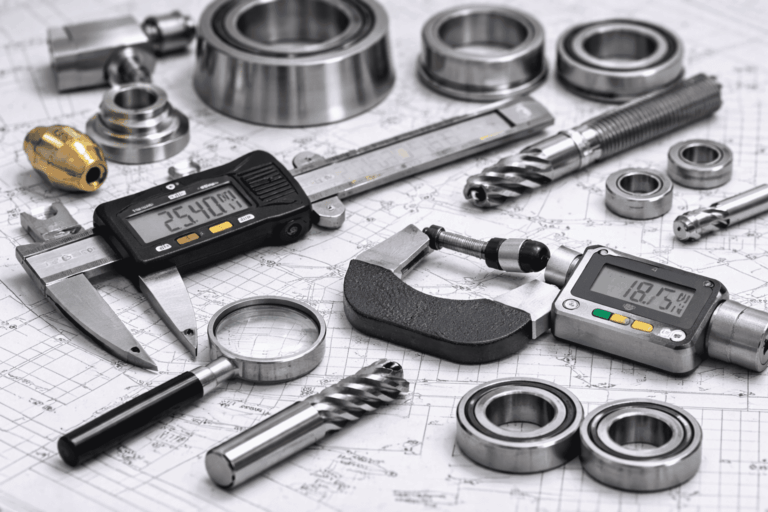
With the CAD model finalized, a new replacement component was manufactured using modern CNC machining techniques. Before installation, dimensional inspections were performed to verify accuracy and ensure that the recreated part matched the original specifications. The final component was installed successfully, and the machine returned to full operation with minimal disruption to production activities.
The results were significant. The company avoided the substantial expense of purchasing new equipment, reduced production downtime, and gained a complete digital record of the component for future maintenance needs. In addition, the newly created CAD model can now be used to manufacture replacement parts whenever required, eliminating dependency on unavailable suppliers and reducing future risks associated with part obsolescence.
This case highlights the growing importance of reverse engineering in modern industrial environments. By leveraging advanced 3D scanning and digital modeling technologies, businesses can accurately reproduce obsolete parts that are no longer available through conventional supply chains. The process not only restores equipment functionality but also improves maintenance planning and asset management strategies.
Reverse engineering is widely used across industries such as manufacturing, power generation, oil and gas, automotive, aerospace, mining, and heavy engineering. Organizations operating aging machinery often rely on this approach to maintain production continuity, avoid expensive upgrades, and maximize the value of existing assets. The ability to recreate discontinued components quickly and accurately provides a competitive advantage in industries where equipment downtime directly impacts profitability.
As industrial facilities continue to balance modernization with the use of long-serving machinery, reverse engineering offers a practical and cost-effective solution for addressing component obsolescence. Through accurate 3D scanning, CAD reconstruction, and precision manufacturing, companies can extend equipment lifespan, reduce maintenance costs, and ensure uninterrupted operations for years to come.