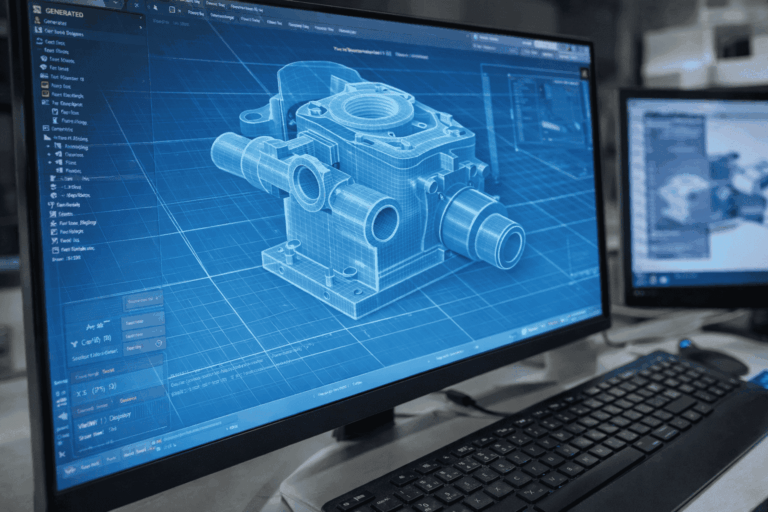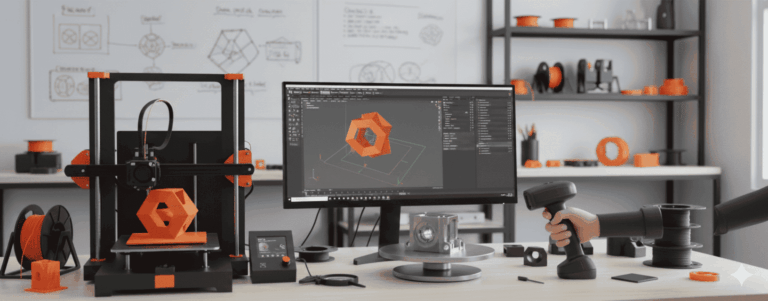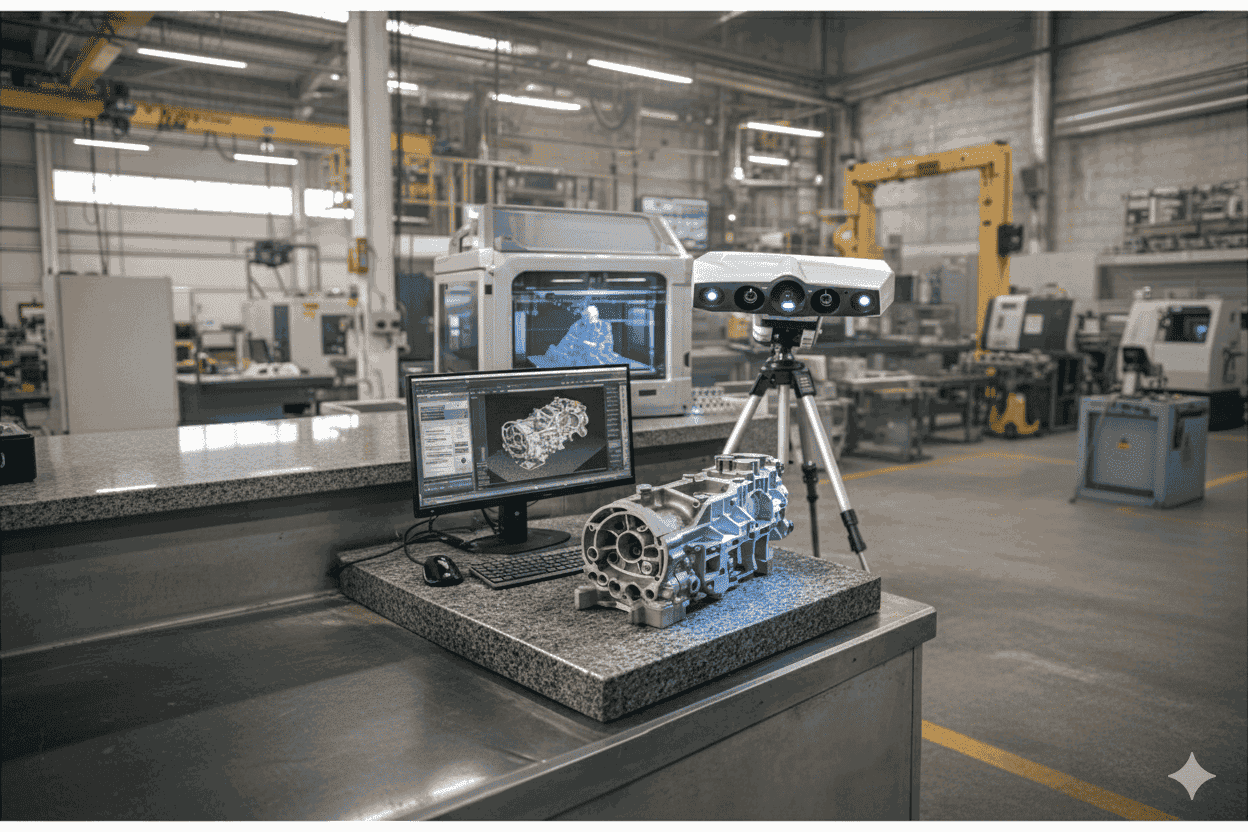
In engineering and product development, choosing between rapid prototyping and traditional manufacturing depends on the stage of the project, required quantities, and functional expectations. Rapid prototyping using 3D printing allows engineers to quickly convert ideas into physical parts, enabling faster design validation, functional testing, and iteration. This approach significantly reduces development time compared to traditional manufacturing methods, which often involve tooling, longer lead times, and higher upfront costs.
Traditional manufacturing processes such as CNC machining, injection molding, and casting are well suited for high-volume production and parts with very tight tolerances. However, these methods can be expensive and time-consuming during the early stages of product development, especially when frequent design changes are required. In contrast, rapid prototyping offers flexibility by allowing design modifications without additional tooling costs, making it ideal for early-stage development, R&D, and low-volume production.
Rapid prototyping also enables engineers to test form, fit, and function before committing to full-scale manufacturing. Functional prototypes can be produced using engineering-grade materials that closely mimic final production properties, helping teams identify design issues early and reduce the risk of costly revisions later. This iterative process improves product quality while minimizing development risks.
While rapid prototyping excels in speed and flexibility, it is not always the replacement for traditional manufacturing. For large production volumes, traditional methods remain more cost-effective and consistent. Many engineering workflows use a hybrid approach, where rapid prototyping is used for design validation and pre-production testing, followed by traditional manufacturing for final mass production.
At ScanPrint3D, we help engineering teams determine the right approach based on project requirements, timelines, and performance needs. By combining rapid prototyping with manufacturing-ready design practices, we ensure that prototypes transition smoothly into production, saving time, reducing costs, and improving overall product development efficiency.