In engineering and manufacturing projects, the decision between reverse engineering an existing part and redesigning it from scratch can have a major impact on cost, time, and production accuracy. Reverse engineering becomes the preferred approach when a physical component already exists but the original CAD data, drawings, or specifications are unavailable or outdated. In such cases, recreating the part by measuring, scanning, and rebuilding its geometry ensures continuity in production without introducing unnecessary design changes.
Reverse engineering is especially valuable when dealing with discontinued components, legacy equipment, or imported parts that are no longer supported by the original manufacturer. Rather than redesigning the component based on assumptions or incomplete information, reverse engineering captures the exact geometry of the existing part, including critical features that affect fitment and functionality. This approach minimizes the risk of mismatches, assembly issues, or performance failures that can occur with a fresh redesign.
Redesign, on the other hand, is more suitable when the goal is to significantly change the function, performance, or manufacturing process of a part. However, redesign often requires extensive testing, validation, and multiple iterations, which can increase development time and cost. When the existing part already performs its intended function, reverse engineering allows engineers to preserve proven design characteristics while still making controlled improvements if needed.
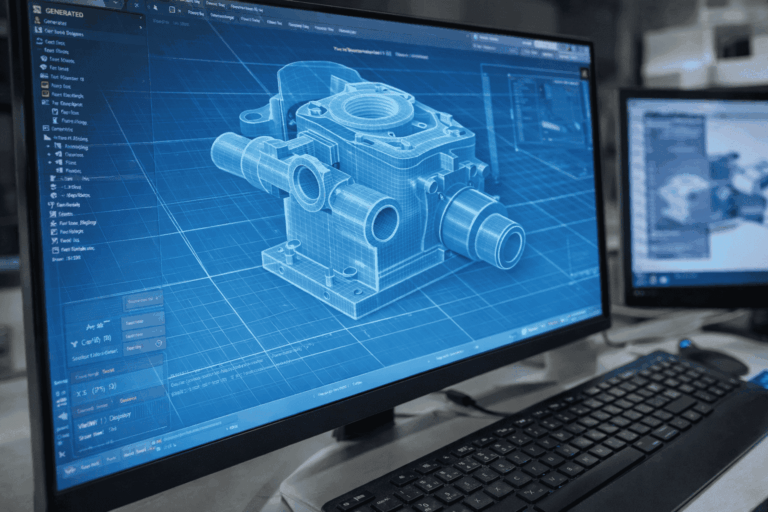
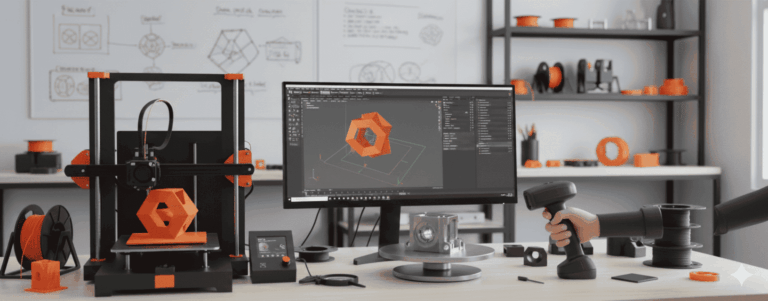
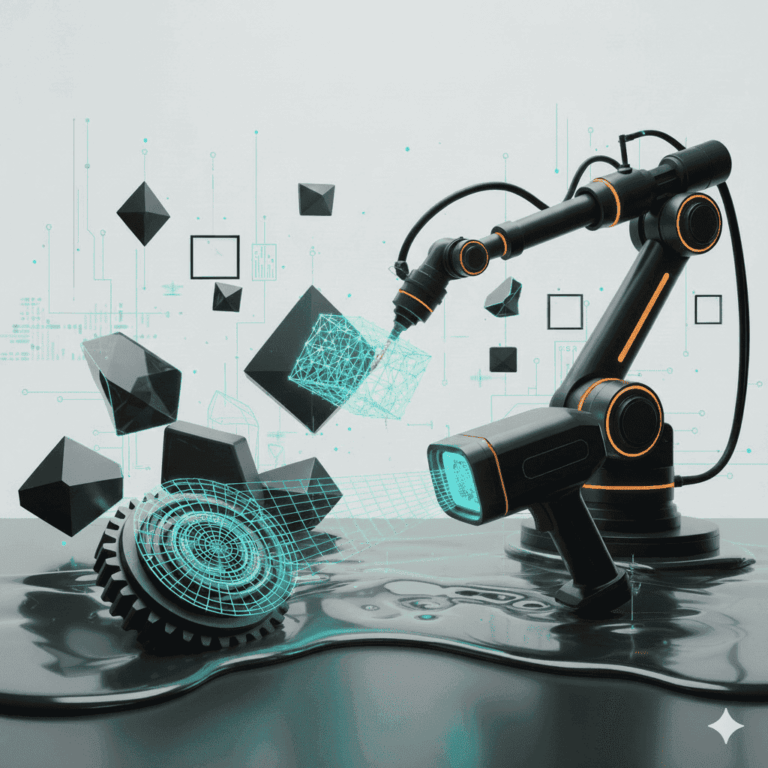
Another key advantage of reverse engineering is accuracy. Technologies such as 3D laser scanning capture real-world dimensions and complex geometries that are difficult or time-consuming to measure manually. This is particularly important for parts with free-form surfaces, wear patterns, or intricate features. By converting scanned data into clean, editable CAD models, engineers can produce manufacturing-ready files that reflect the true condition of the physical component.
Reverse engineering also plays a critical role in maintenance, repair, and replacement operations. When downtime is costly, recreating an existing part quickly and accurately is often more practical than redesigning it. This approach enables faster turnaround, reduces dependency on unavailable suppliers, and ensures compatibility with existing assemblies and systems.
At ScanPrint3D, reverse engineering is approached as an engineering process rather than just a scanning task. We focus on delivering usable, production-ready CAD models that can be directly applied to manufacturing, machining, or 3D printing. By understanding when reverse engineering is the smarter choice over redesign, engineering teams can save time, reduce risk, and maintain performance consistency across their projects.